Playing Solo Chapter 4: Movement, Positioning, and Information Gathering
Controlling what the enemy knows is how you win raids in Arena Breakout: Infinite (ABI). Learn proper noise control, visual vs solid cover, exit planning, and positional tactics.
A solo player does not move through the map blindly. Every step should either gather information, preserve safety, improve position, or bring you closer to extraction. Movement is not only how you travel. It is how you reveal yourself, how you deny information, and how you create opportunities.
In a squad, poor movement can sometimes be corrected by teammates. Someone can cover your mistake, trade your death, or warn you about an angle you missed. When playing solo, your movement is your first layer of defense. If you move carelessly, you give the enemy information before you have gathered any yourself.
Good solo movement is not about being slow all the time. It is about knowing when speed matters, when silence matters, and when stopping completely gives you more value than taking another step.
Movement Is Noise
Every movement creates information. Sprinting tells enemies that someone is nearby, moving quickly, and probably not ready to fight immediately. Walking gives less information. Standing still gives almost none.
This matters because information is one of the only advantages a solo player can create consistently. You cannot outnumber a squad, but you can know more than they know. You can hear them before they hear you. You can understand their direction before they understand yours. You can choose the angle before they realize a fight has started.
Walking should be implemented into your playstyle not only because it makes less noise for enemies, but because it makes less noise for you. When you sprint, your own movement covers other sound cues. You may miss footsteps, reloads, healing sounds, AI reactions, doors, or distant gunfire that could have warned you about danger.
A solo player who walks at the right moments hears more of the raid. That information can decide whether you enter a building, avoid a route, set an ambush, or leave the area entirely.
This does not mean you should walk everywhere. Moving too slowly can be just as dangerous as moving too loudly. If you are crossing open ground, rotating away from a bad position, or escaping a squad push, speed may matter more than silence.
The important question is simple: does this movement need to be fast, or does it need to be quiet?
If there is no reason to sprint, do not sprint.
Reading Sound Before Entering Space
Before entering a building, compound, forest line, or extraction area, stop and listen. Many deaths happen because players enter spaces before reading them.
A quiet area is not automatically safe. It may be empty, but it may also contain a player who has already heard you approaching. The difference is often found in small details: a footstep, a bag sound, a weapon switch, AI reacting, or a door that should not have moved.
Buildings are especially dangerous because they compress information. Sound bounces, sightlines are shorter, and exits are limited. A solo player entering a building should not think, “I am going inside.” They should think, “What information do I have that makes entering worth the risk?”
If you hear nothing, enter carefully. If you hear movement, decide whether the building is worth contesting. If you hear multiple players, do not treat the fight as a normal room clear. You may need to wait, rotate outside, or leave entirely.
The same logic applies outdoors. Before crossing open ground, listen for gunfire and movement. Before moving into a forest, check whether AI or players have recently made noise nearby. Before approaching extraction, slow down and treat the area as contested until proven otherwise.
The solo player does not survive by assuming spaces are clear. The solo player survives by making enemies reveal themselves before it is too late.
Solid Cover and Visual Cover
Cover can be divided into two main categories: solid cover and visual cover.
- Solid cover protects you from bullets. Walls, rocks, terrain, buildings, and certain vehicles can physically stop incoming fire.
- Visual cover does not protect you from bullets, but it hides your exact position. Bushes, grass, trees, smoke, shadows, clutter, and darkness can all make it harder for the enemy to track you.
A solo player needs to understand the difference because using visual cover like solid cover will get you killed. A bush will not stop bullets. Vegetation will not save you from grenades. If the enemy already knows your exact position, visual cover becomes weak very quickly.
However, visual cover is extremely useful when the enemy only has partial information.
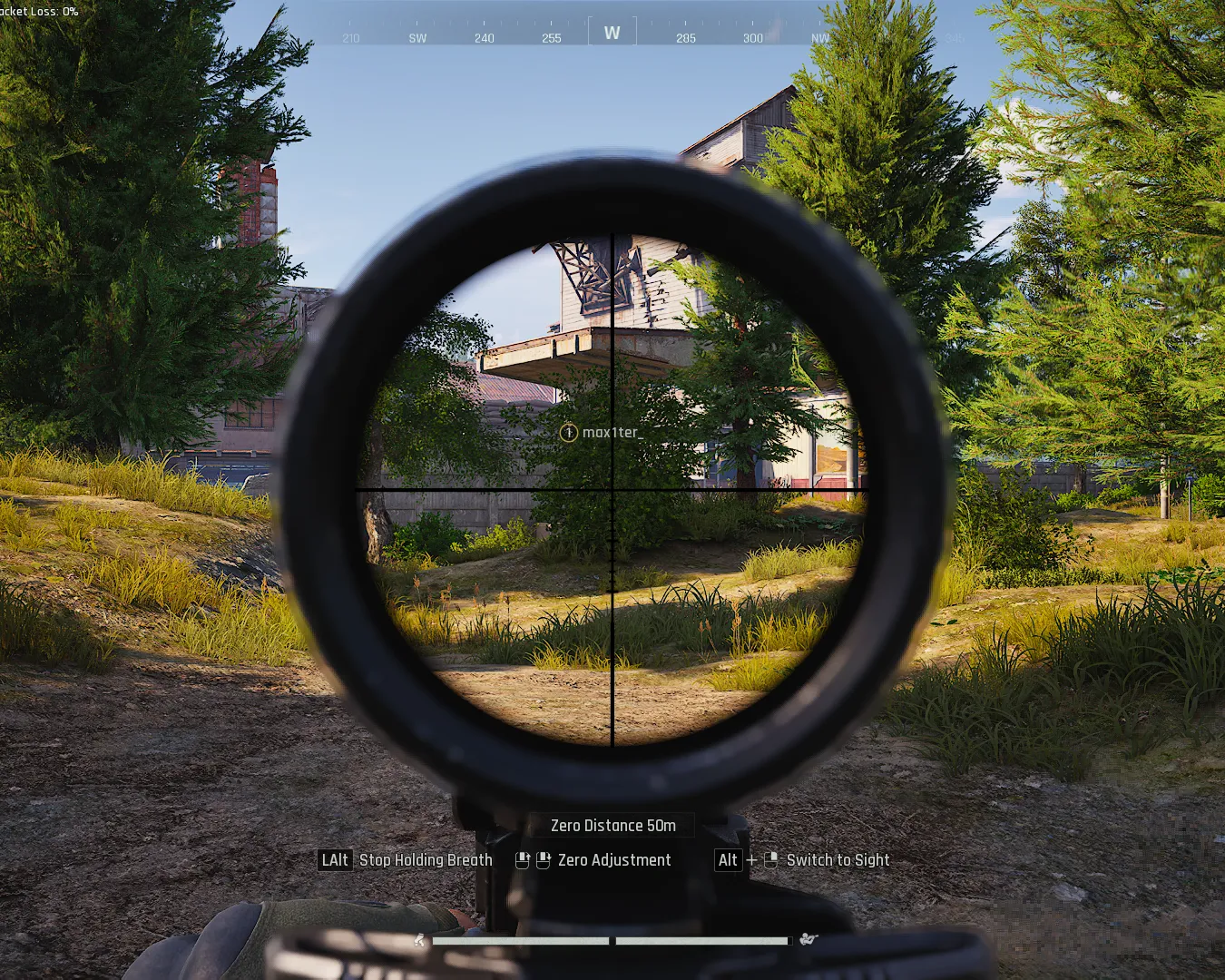 Front View: Vegetation hides the player's exact position, making them harder to locate.
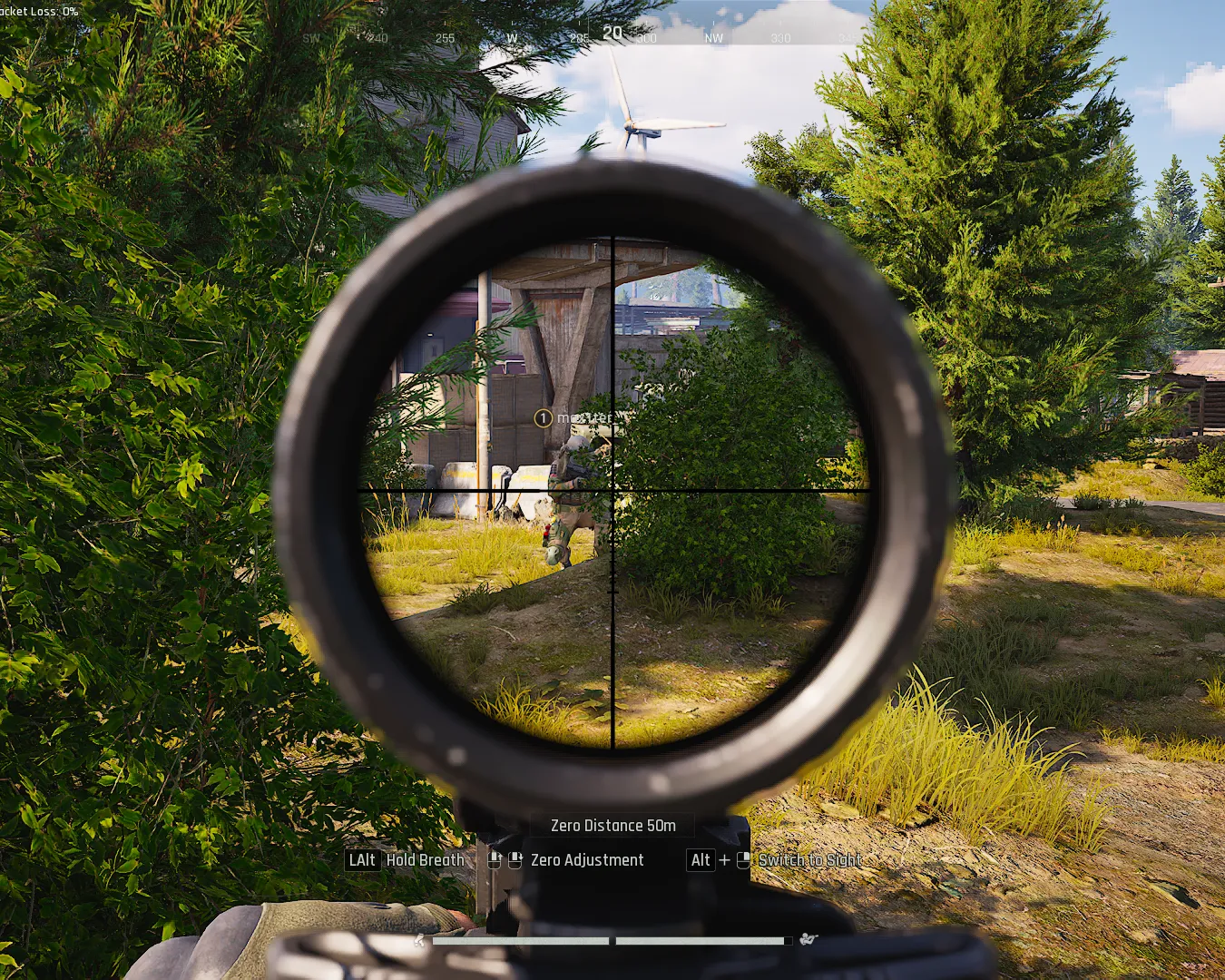 Side View: Highlights why visual cover is temporary concealment. It won't block bullets once spotted.
If a squad sees you falling back, they will usually assume one of two things: either you are running away completely, or you are moving toward the next obvious piece of solid cover. This expectation can be used against them. Instead of continuing to run, you can break line of sight, stop behind vegetation, and let the enemy move into your angle.
The important detail is to avoid sitting directly inside the bush if it creates loud movement noise. Staying slightly behind the vegetation, roughly one or two meters away, can give you visual concealment without unnecessary sound. From there, you can watch through the leaves, wait for movement, and punish the first player who follows too confidently.
This works best as a temporary ambush or repositioning tool. It is especially strong after breaking contact, because the enemy may still be thinking about your previous movement instead of your current position.
But it has limits.
Visual cover becomes much weaker against larger groups. If three players are chasing you, killing the first one from behind a bush may not give you enough time to disappear again. The others will usually turn toward the source of fire immediately. This technique is strongest against solos, separated flankers, or duos where you can create enough confusion to reposition after the first shot.
Use visual cover to disappear, delay, or ambush. Do not use it as armor.
Always Have an Exit
A strong position is not only defined by what it lets you see or shoot. It is also defined by what it lets you do when the fight goes wrong.
As a solo player, you should always have an escape plan before committing to a position. That means knowing where you can fall back, what route you can use to break line of sight, and whether you have a second angle or exit available if the enemy starts pushing.
Avoid placing yourself in dead ends unless you are completely sure the reward is worth the risk. Rooms with only one exit, narrow corners, and enclosed spaces can become traps very quickly. If a squad realizes where you are, they do not need to out-aim you. They can simply grenade the room, hold the only exit, or wait until you are forced to move.
A good solo position should give you options. You should be able to shoot, rotate, heal, retreat, or disappear. If a position only lets you fight until someone throws a grenade, it is not a strong position. It is a temporary gamble.
This matters especially indoors. A room with one entrance may feel safe because only one direction needs to be watched, but that same room becomes dangerous the moment enemies know you are inside. One grenade can force you out. One player can hold the door while another rotates. One mistake can remove every option you had.
Before entering a room, crossing into a compound, or holding an angle, ask yourself one question: If this goes wrong, where do I go? If you do not have an answer, reconsider the position.
Denying Exact Information
In many fights, the enemy does not know exactly where you are. They know the general area. They know the last corner you moved behind. They know the direction of your gunfire. But they do not always know your exact timing, stance, or angle.
Do not give them that information for free.
One simple way to deny information is to stop moving behind cover before swinging. If the enemy knows you are somewhere behind a wall, rock, or doorway, constant movement can reveal your exact position and timing. Standing still for a few seconds can make your next peek harder to predict.
This is especially useful when the enemy expects panic. Many players assume that a solo will keep moving, healing, reloading, or trying to escape. By going still, you remove sound from the equation and force them to guess.
If they do not throw a grenade, pre-fire your position, or push together, they may not know exactly where you are until you swing.
This does not mean you should freeze every time you reach cover. Standing still is dangerous if the enemy has grenades, multiple angles, or enough information to collapse on you. It works best when the enemy has an approximate location, but not a confirmed one.
The principle is simple: if the enemy is guessing, do not help them guess correctly.
Escaping the Enemy’s Mental Map
Once an enemy sees or hears you, they build a mental image of your position. They imagine where you are, where you might move, and what angle you are likely holding. Many players fight against that imagined version of you rather than your real position.
As a solo player, you can abuse this.
If the enemy only knows your approximate location, do not stay inside the picture they have created. Move perpendicular to their point of view whenever the situation allows. If they expect you to be directly behind the cover where they last saw you, move sideways. If they expect you to fall back in a straight line, rotate across their line of expectation instead.
This is powerful because squads often react slowly to changing information. One player calls your last known position, and the rest of the squad begins to focus on that location. If you move quietly and quickly enough, they may still be aiming at your old position while you are already looking at them from the side.
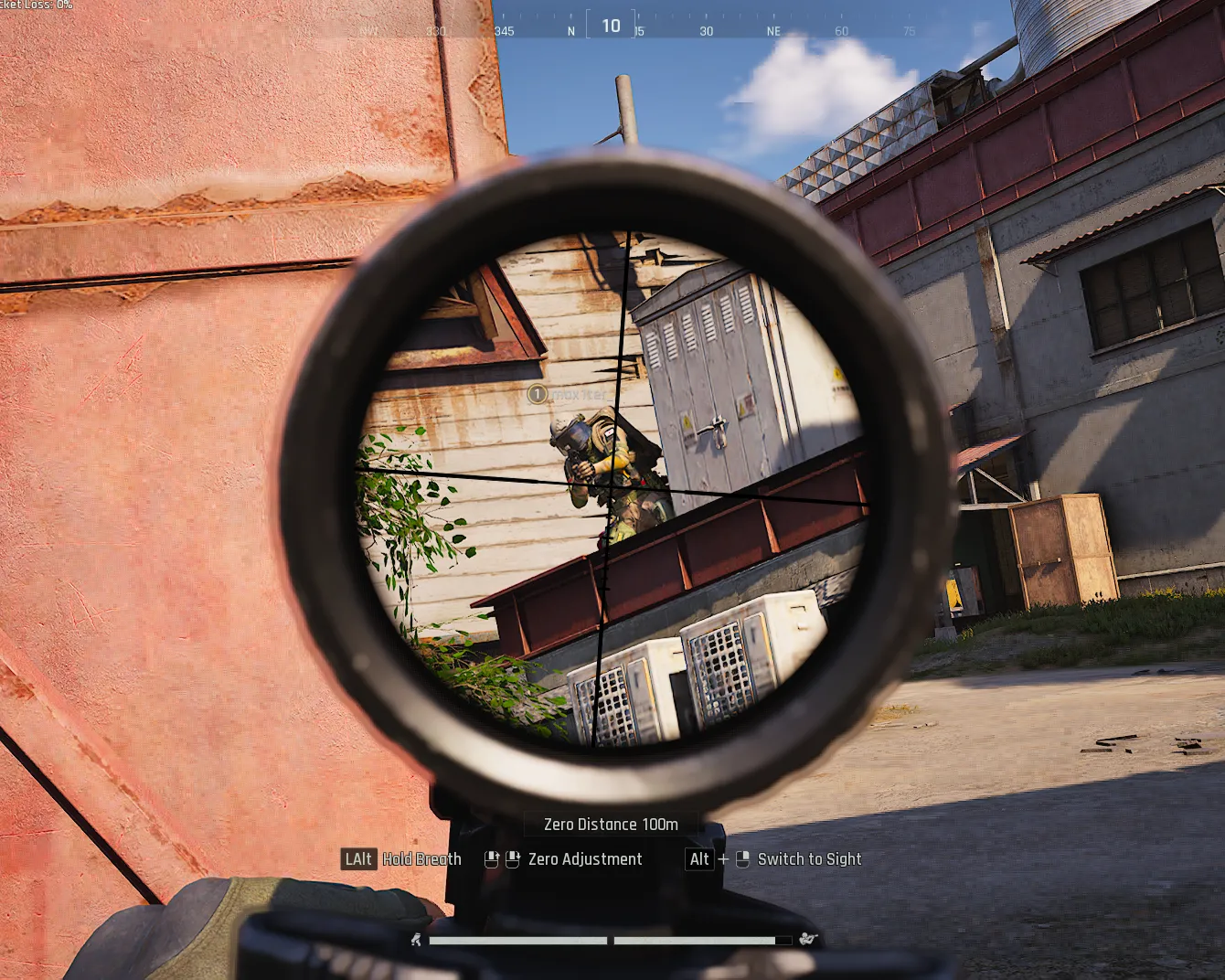 Front Perspective: What the enemy expects to see when aiming down your last-known visual line.
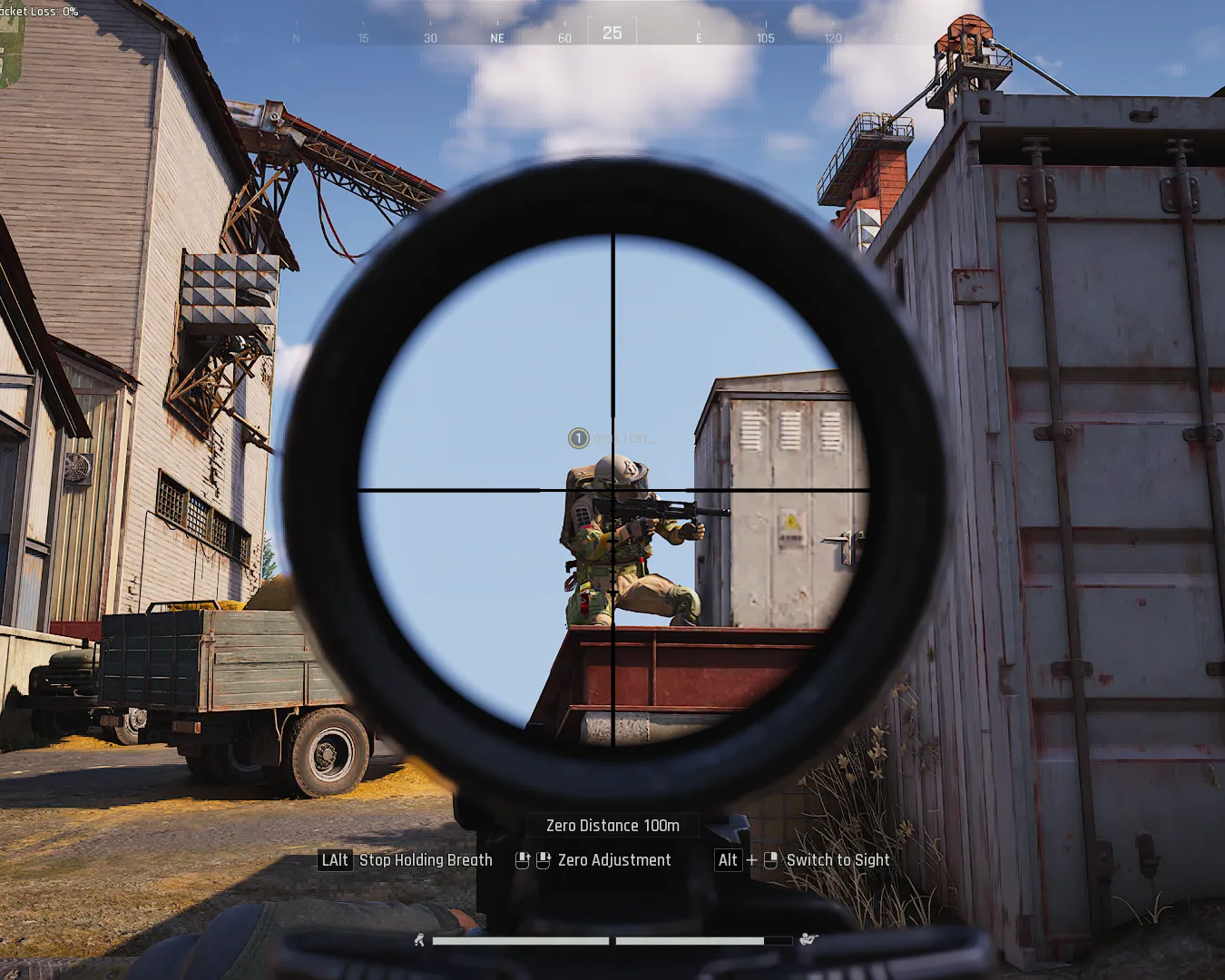 Side Perspective: How repositioning perpendicular to the enemy's line of sight breaks their mental model.
This is how a solo player turns mobility into pressure. You are alone, which means you do not need to wait for anyone. You do not need to explain the rotation. You do not need to keep formation. If you see a chance to change the angle safely, you can take it immediately. The goal is to make the enemy fight outdated information.
Position Before Combat
Most fights are decided before the shooting starts. If you enter combat from a bad position, mechanical skill becomes your only remaining solution. That is not where a solo player wants to be.
A strong position gives you options. You can shoot, retreat, rotate, heal, or refuse the fight entirely. A weak position forces you to commit. If you are trapped in the open, stuck in a room with one exit, overweight in a field, or pinned behind poor cover, the enemy controls the fight.
- Can I leave if this goes badly?
- Can I reposition after firing?
- Can I isolate one enemy?
- Do I have solid cover nearby?
- Does my weapon work at this range?
- Will this fight attract other players?
If the answer to most of these questions is bad, the fight is probably bad too. Good positioning does not always mean holding the strongest angle. Sometimes it means refusing the obvious angle. Sometimes it means letting enemies pass. Sometimes it means moving around the fight entirely because your current position gives you no way to win cleanly. A solo player should not look for fights first. They should look for positions that make fights unfair.
Common Movement Mistakes
Many solo deaths come from movement mistakes rather than bad aim.
Sprinting everywhere is one of the most common. It gives away your position, hides enemy sound cues, and makes it harder to react to sudden contact.
Following obvious routes too directly is another. Common routes are useful, but standing exactly where every player expects movement is unnecessary risk.
Another mistake is continuing to move after the enemy only has partial information. If they do not know your exact position, careless sound can solve that problem for them.
Using visual cover like solid cover is also dangerous. Bushes and grass can help hide you, but they cannot protect you once the enemy knows where to shoot.
Entering dead ends without a plan is another common mistake. A position that looks safe can become a trap if it has only one exit. If the enemy can hold your escape route or force you out with grenades, you no longer control the fight.
Finally, many players fail to reposition after being seen. They survive the first exchange, stay in the same place, and then die to a flank, grenade, or pre-fire. If the enemy knows your position and you have the chance to move, staying there should be a choice, not a habit.
The Core Rule of Movement
Every movement should have a purpose.
Move fast when speed protects you. Move quietly when information matters. Stop when silence gives you an advantage. Rotate when the enemy’s information becomes too accurate. Avoid dead ends when you cannot control them. Use visual cover temporarily. Use solid cover when bullets are already coming.
A solo player cannot afford careless movement because every sound, angle, and route choice has consequences. But when movement becomes intentional, it becomes one of your strongest weapons.
You are not just crossing the map. You are controlling what the enemy knows.
Keep Reading the Guide
Learn spawn logic, early routes, and how to survive the initial opening phase in Arena Breakout: Infinite (ABI).
Next ChapterChapter 5: Combat Decision-MakingChoosing the fight before the fight chooses you in Arena Breakout: Infinite (ABI). Learn proper observe/think/execute phases, flanker containment, utility timing, and disengagement rules.